This detailed blog post, presented by the Nick Schnyder Law Firm, will explore how inadequate construction choices contribute to slip and fall accidents, what premises liability entails, and how these accidents impact victims.
Understanding Slip and Fall Accidents
Poor Construction Choices and Their Impacts
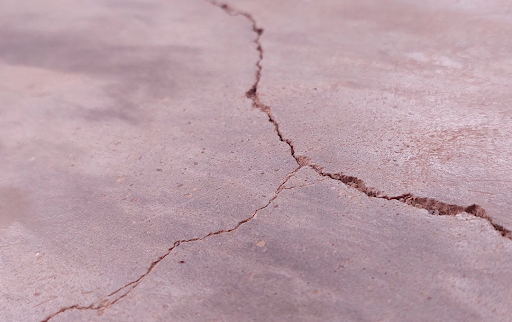
Poor construction choices that can lead to slip and fall accidents include, but are not limited to, the following:
- Inadequate Flooring Materials: The choice of flooring materials plays a critical role in safety. Highly polished tiles or certain types of stone can become extremely slippery when wet. In regions prone to rain or snow, selecting such materials for entryways or common areas can lead to an increased risk of falls.
- Improper Floor or Walkway Leveling: Floors or pathways that are uneven, whether due to settling, poor design, or substandard construction practices, pose tripping hazards. Even small variations in level can be dangerous if not adequately marked.
- Insufficient Stairway Design: Stairs must be constructed with uniform step heights and depths, secure handrails, and adequate tread depth to prevent missteps. Variations or noncompliance with building codes can significantly increase the likelihood of falls.
- Lack of Adequate Drainage: Improper drainage design can lead to water accumulation, making surfaces slippery. This is particularly hazardous on walking surfaces like concrete or asphalt.
- Poor Lighting: Adequate lighting is crucial to ensure that people can see where they are walking. Poorly lit stairwells, parking lots, and walkways are common sites for slip-and-fall accidents.
Premises Liability and Construction Choices
Premises liability law holds property owners and occupiers responsible for accidents and injuries that occur on their property due to unsafe conditions. Property owners have to ensure their premises are reasonably safe. This obligation includes proper construction choices and regular maintenance to fix or warn against potential hazards.
If a slip and fall accident occurs due to poor construction choices, the property owner may be liable if it can be proven that they:
- Knew or should have known about the hazard.
- Failed to correct the hazard adequately.
- Failed to warn visitors about the danger.
Data on Slip and Fall Accidents and Liability Claims
Statistics highlight the impact of slip and fall incidents:
- According to the Consumer Product Safety Commission (CPSC), floors and flooring materials contribute directly to more than 2 million fall injuries each year.
- The Bureau of Labor Statistics (BLS) notes that over 800 workers died in 2016 due to falls, the highest in 26 years, with many linked to construction and poor maintenance.
How Personal Injury Lawyers Can Help

Victims of slip and fall accidents due to poor construction choices should consult with a personal injury lawyer who can:
- Thoroughly investigate the cause of the accident, including expert evaluations of the construction choices.
- Determine all liable parties, which could include property owners, construction companies, or maintenance firms.
- Help document injuries and other losses, and represent the victim in negotiations with insurance companies or in court.
Poor construction choices are a significant factor in many slip and fall accidents, leading to severe injuries and robust premises liability claims. Property owners must make prudent construction and maintenance decisions to prevent such incidents.
Victims, on the other hand, have legal rights that should be protected and pursued with the assistance of experienced personal injury attorneys, such as those at the Nick Schnyder Law Firm. If you have suffered a slip and fall accident due to suspect construction choices, contact us for a comprehensive evaluation of your case and personalized legal guidance.