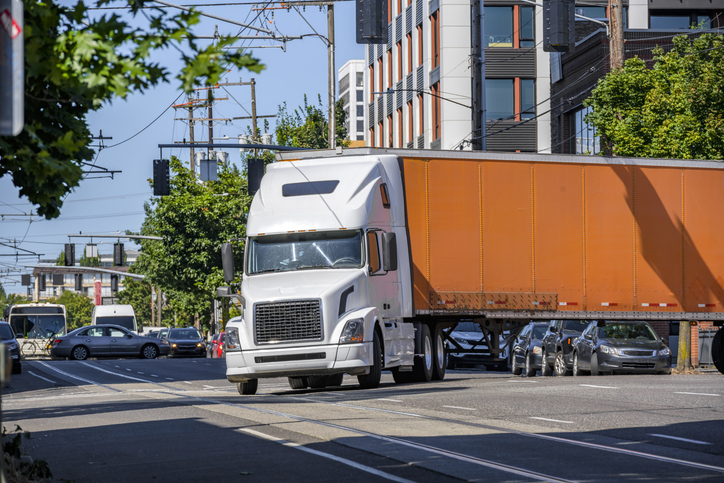
Lawyers investigate jackknife truck accidents by working backward from the physical evidence to the decision that caused it. That means pulling the truck’s electronic data for speed and braking in the final seconds, getting the brake and tire inspection records, checking the driver’s hours against the logs, and finding out what was in the trailer and who loaded it. A jackknife leaves a specific pattern of tire marks and damage, and those marks usually point to one of a handful of causes.
The reason the investigation has to start fast is that the evidence belongs to the other side. The truck gets repaired, and the data gets overwritten. A Marietta truck accident attorney sends a preservation letter in the first days of a case for that reason.
What causes a tractor-trailer to jackknife?
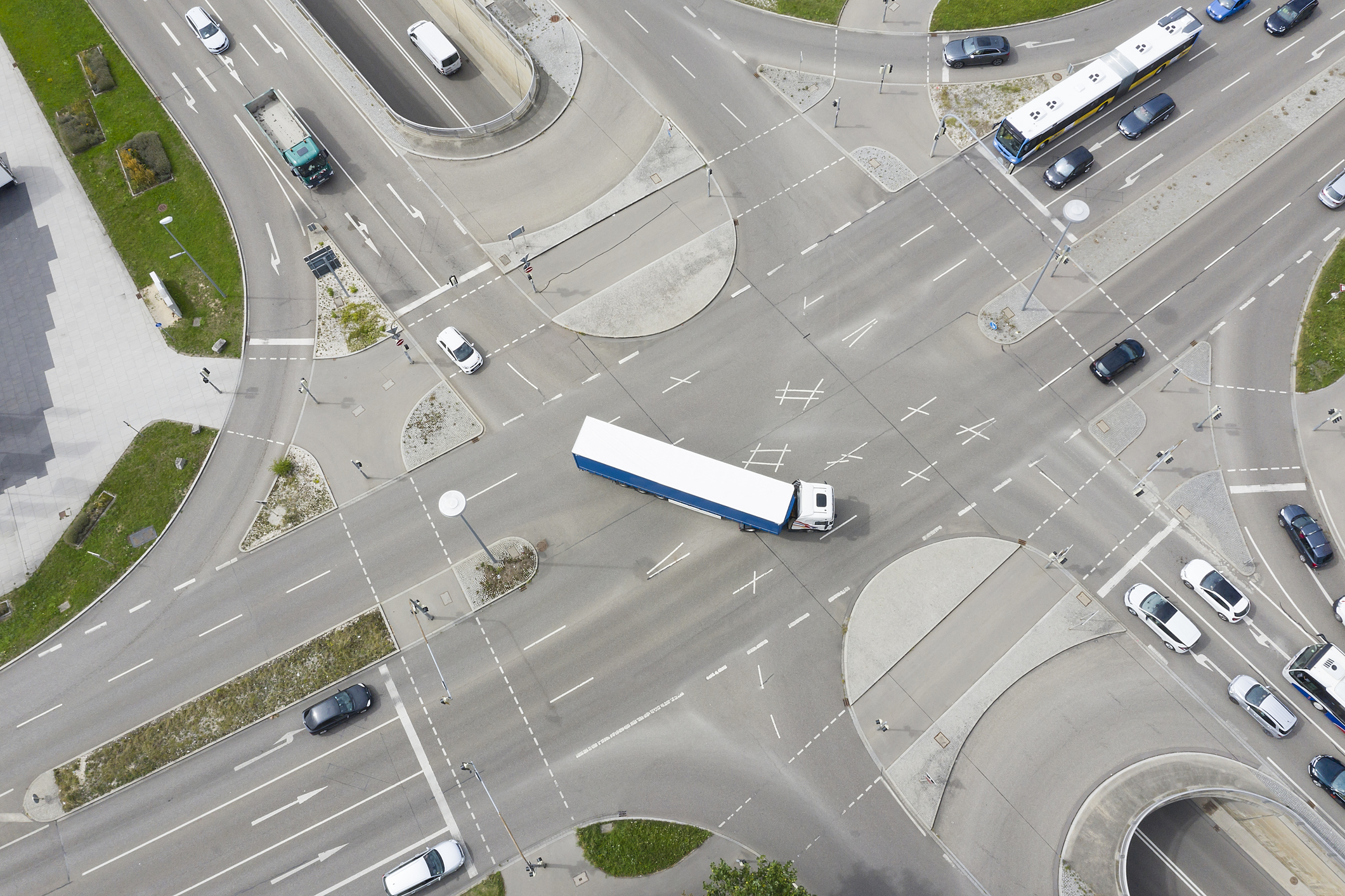
A jackknife happens when the trailer’s wheels lose traction and the trailer swings out to the side while the cab keeps going, folding the rig toward a right angle. It usually starts with the trailer’s brakes locking, or with the drive wheels losing grip, and once that swing begins the driver has very little ability to stop it.
The usual causes are the ones an attorney can trace to a record:
- Excessive speed for the conditions, especially braking hard into a curve or a slowdown. A truck doesn’t have to break the posted limit to be going too fast for wet pavement.
- Braking problems, whether out-of-adjustment brakes or a failed antilock system. Truck tractors built since March 1997 and most trailers built since March 1998 are required to have antilock brakes under federal rules, so a locked trailer wheel raises an immediate question about whether that system worked and whether anyone inspected it.
- Improperly loaded or unsecured cargo. Weight that shifts, or sits too high or too far back, changes how the trailer behaves under braking.
- Driver fatigue, which slows the reaction that might have prevented the skid and shows up in the hours-of-service data.
- Road conditions the carrier should have planned for, like ice on an overpass or standing water on I-285.
What evidence do lawyers collect after a jackknife crash?
A jackknife happens when the trailer’s wheels lose traction and the trailer swings out to the side while the cab keeps going, folding the rig toward a right angle. It usually starts with the trailer’s brakes locking, or with the drive wheels losing grip, and once that swing begins the driver has very little ability to stop it.
The usual causes are the ones an attorney can trace to a record:
- Excessive speed for the conditions, especially braking hard into a curve or a slowdown. A truck doesn’t have to break the posted limit to be going too fast for wet pavement.
- Braking problems, whether out-of-adjustment brakes or a failed antilock system. Truck tractors built since March 1997 and most trailers built since March 1998 are required to have antilock brakes under federal rules, so a locked trailer wheel raises an immediate question about whether that system worked and whether anyone inspected it.
- Improperly loaded or unsecured cargo. Weight that shifts, or sits too high or too far back, changes how the trailer behaves under braking.
- Driver fatigue, which slows the reaction that might have prevented the skid and shows up in the hours-of-service data.
- Road conditions the carrier should have planned for, like ice on an overpass or standing water on I-285.
Why does a jackknife accident case involve multiple parties?
The failure that caused the trailer to swing usually traces back to a company, not just to the person driving. Georgia law lets a jury assign fault among multiple parties, with each one paying its own share, so identifying the right responsible party changes what the case is worth.
Depending on what the evidence shows, the liable parties in a semi truck jackknife can include the truck driver, the motor carrier that set the schedule and maintained the vehicle, a separate owner leasing the tractor or trailer, the repair shop that last serviced the brakes, the cargo loading company that packed the trailer, or a parts manufacturer whose component failed. Truck crashes involving a jackknife often block multiple lanes of traffic and involve several vehicles, which adds other drivers’ insurers to the picture as well.
Here’s how that plays out. A tractor-trailer jackknifes on I-75 north of Macon in the rain and slides across two lanes. The black box shows 62 miles per hour with a hard brake application, the maintenance file shows the trailer’s ABS light had been written up twice and cleared without a repair, the driver’s logs show a 13th straight hour on duty, and the shipper’s paperwork shows the load ran 6,000 pounds heavier than the bill of lading said. Four separate lines of fault, and each one belongs to a different company.
How does the trucking company investigate the same crash?
Immediately, and with its own team. Many carriers dispatch a rapid-response investigator to a serious jackknife the same day, sometimes before the road reopens, to photograph the scene and download the truck’s data themselves. The insurance company’s goal is to limit what it pays, which usually means arguing the weather caused the crash or that another driver’s actions contributed.
That’s why the timing of your own investigation matters. Once the truck is repaired and back in service, the condition of the brakes on the day of the crash becomes an argument instead of a fact. You also don’t have to give the carrier’s adjuster a recorded statement, and it’s generally better to talk with a law firm first.
What are your legal options after a jackknife crash in Georgia?
If someone else’s negligence caused the crash, you can bring a personal injury claim against every party that contributed, and Georgia gives you two years from the date of the crash to file suit under O.C.G.A. § 9-3-33. That claim can cover medical bills and future care, lost wages and reduced earning ability, vehicle damage, and pain and suffering.
Two things narrow those options. Georgia bars recovery if you’re found 50 percent or more at fault and reduces it by your percentage below that, so the fault percentages the insurance company builds in the first weeks matter. And the evidence timeline runs much shorter than the filing deadline: six months for driver logs, and often days for video. The common causes of truck accidents are provable when the records still exist.
Injured when a commercial truck jackknifed? Call Nick Schnyder
If a semi truck loses control and you’re hurt anywhere from Atlanta to Macon, Nick Schnyder Law Firm can move on the evidence while it still exists and hold each responsible company to its share. Our firm is a Champion Level member of the Georgia Trial Lawyers Association and has recovered more than $200 million for injured Georgians.
Your free consultation costs you nothing, and we work on a contingency fee basis, so you pay no attorney’s fees unless compensation is recovered. Injured and need a fighter? Call Nick Schnyder at (470) 837-3403 or contact us online to get started.