Cobb County keeps its own data. The county’s Comprehensive Safety Action Plan reviewed crashes from 2018 through 2022 and identified 23 Focus Corridors for early safety improvements, selected based on severe-crash history along with other risk and planning factors. Because the analysis spans five years, those corridors reflect a pattern rather than one bad year. Several of them are in or around Marietta.
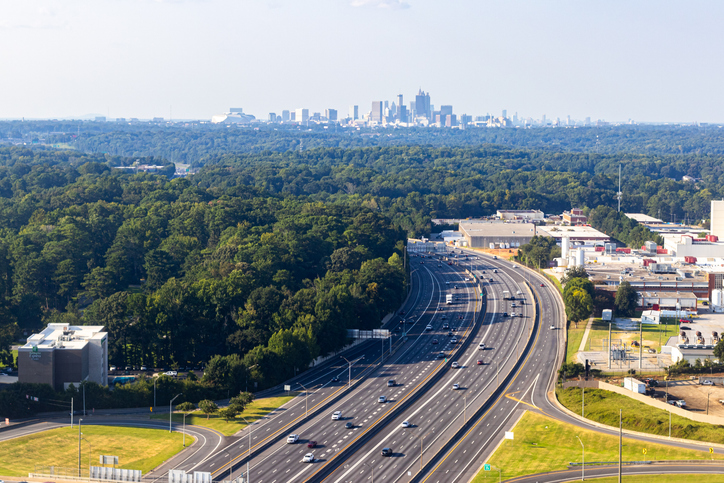
Cobb County safety data points to Marietta-area corridors including Windy Hill Road, Cobb Parkway, North Marietta Parkway, Powder Springs Street, and Delk Road. Countywide, intersections with multiple fatal crashes include Windy Hill Road at Village Parkway and Delk Road at Powers Ferry Place.
If you were hurt at one of these locations, a Marietta car accident attorney can pull what the county recorded about it.
What are the most dangerous roads around Marietta?
Among the Marietta-area segments the Safety Action Plan highlights:
- Windy Hill Road, from Atlanta Road to Village Parkway
- Cobb Parkway, from Barclay Circle to Enterprise Way
- Cobb Parkway again, from Richard Street to Wylie Road
- North Marietta Parkway, from North Cobb Parkway to Wallace Road
- Powder Springs Street and North Marietta Parkway, from Garrison Road to Cherokee Street
- Delk Road, from I-75 toward Plantation Crossing
The county breaks corridors into segments with their own crash histories, which is why Cobb Parkway appears twice.
Several high-priority corridors elsewhere in the county are state routes rather than county roads, including Austell Road, South Cobb Drive, Mableton Parkway and Powder Springs Road.
Which Cobb County intersections had multiple fatal crashes?
Cobb County identified 13 intersections with two or more fatal crashes between 2018 and 2022, and 28 people died at them. Austell Road at Osborne Road was the only location with three fatal crashes, and the remaining locations each had two:
- Austell Road (SR 5) at Osborne Road
- Windy Hill Road at Village Parkway
- Austell Road (SR 5) at Schaffer Road
- South Cobb Drive (SR 280) at Waldrep Circle
- South Cobb Drive (SR 280) at Booth Road
- Powder Springs Road (SR 280) at Chestnut Hill Road
- Roswell Road (SR 120) at Robinson Road
- Barrett Parkway at Ridenour Boulevard
- Alabama Road (SR 92) at Old Mountain Park Road
- South Cobb Drive (SR 280) at Concord Road
- Delk Road at Powers Ferry Place
- South Marietta Parkway (SR 120) at Powers Ferry Road
- C.H. James Parkway (US 278/SR 6) at Garrett Road
That list is countywide. Several are in or near Marietta, including Barrett Parkway at Ridenour Boulevard and South Marietta Parkway at Powers Ferry Road.
When a collision results in a death caused by another party’s negligence or other wrongful conduct, surviving family members may have a potential wrongful death claim.
How many crashes happen in Cobb County?
Cobb County recorded 130,751 crashes from 2018 through 2022 when interstate crashes are included. Looking specifically at non-interstate roads, the county recorded 248 fatal crashes that resulted in 260 deaths, along with 1,292 serious-injury crashes that caused 2,389 serious injuries.
Those severe crashes were a small share of the more than 106,000 crashes reported on non-interstate roads in that period. The plan prioritizes severe crashes rather than total collision volume, with fatalities and serious injuries among the factors used to pick Focus Corridors.
Why are intersections a major crash risk in Cobb County?
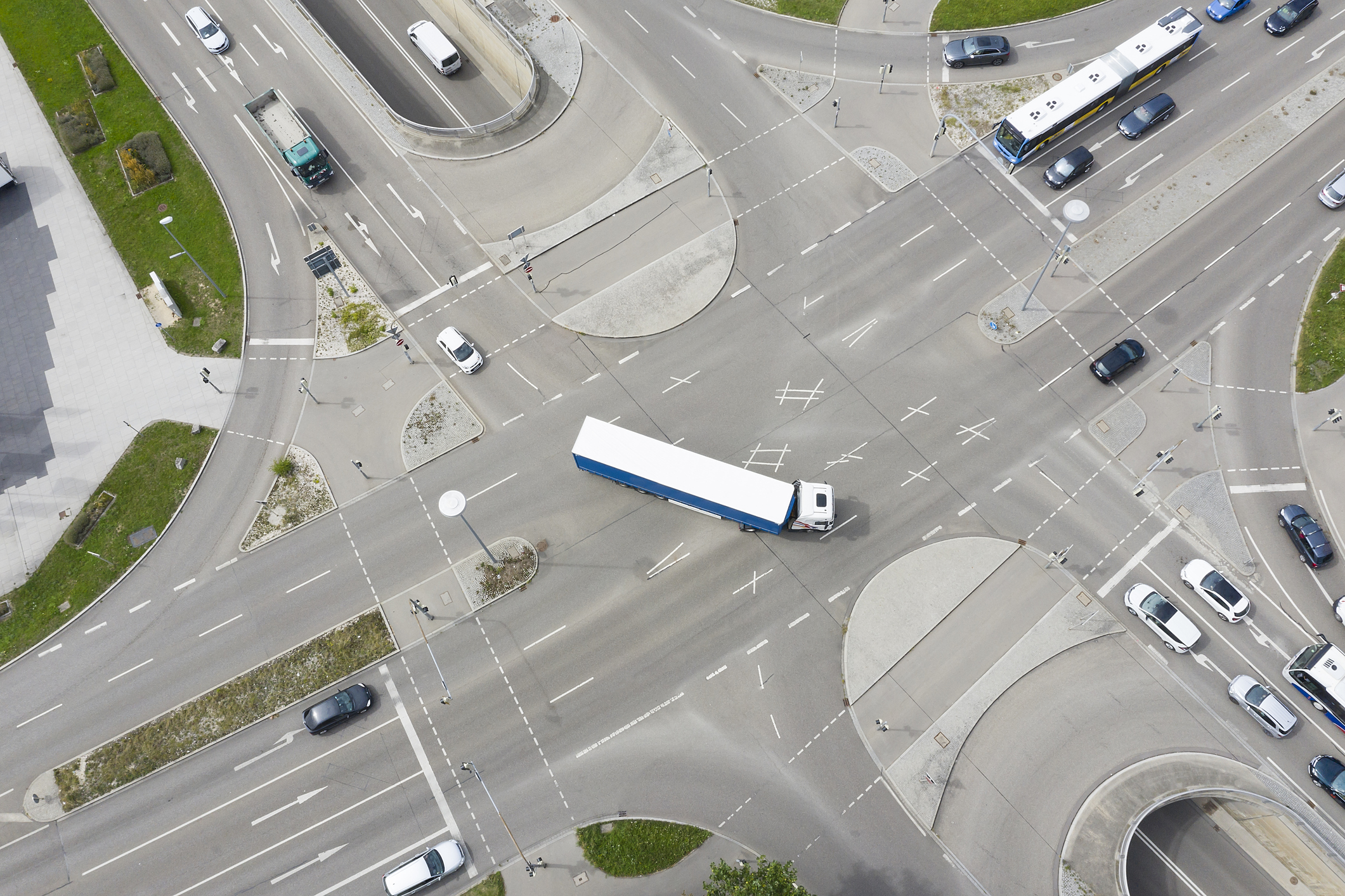
Intersections account for a substantial share of Cobb County’s most severe crashes. The county found that 66 percent of fatal and serious-injury crashes happened within 100 feet of an intersection, and nearly 85 percent happened within 300 feet of one.
The same pattern shows up in Cobb County’s Multi-Corridor Safety Improvements project. It covers Windy Hill Road and Pat Mell Road, along with Olive Springs Road. Those corridors recorded 1,495 crashes between 2018 and 2022, and 981 of them happened at intersections. Four people died, and 37 were seriously hurt.
Windy Hill Road appears repeatedly in the county’s safety data, and it’s now in that federally funded project.
Does crashing on a dangerous road affect who is at fault?
It changes what gets investigated. It doesn’t decide who was at fault.
A documented crash history proves nothing about any individual wreck, and no insurer concedes liability because an intersection made a county list.
Georgia uses a modified comparative-fault rule. Someone who’s partly responsible can have compensation cut by their percentage of fault, and someone who’s partially at fault (50 percent or more responsible) can’t recover at all.
A lawyer can request the signal timing, the county’s crash records for that specific location, the roadway design and lighting, any nearby camera footage, and what both drivers actually did.
Who is responsible for dangerous road conditions in Georgia?
It depends on who owns and maintains that stretch, which is why the state routes matter. Where a roadway condition may have played a part, identifying whether Cobb County or the Georgia Department of Transportation is responsible shapes what gets investigated.
Claims involving a local government or a state agency can also be subject to special sovereign-immunity and pre-suit notice rules. So identifying the responsible entity can affect both the investigation and the filing requirements.
Injured and need a fighter? Call Nick Schnyder!
Our firm has handled Georgia car accident cases since 2016, and Nick Schnyder is a Fellow of the Litigation Counsel of America. If you were hurt on one of these roads, we can look at what the county recorded and what the other driver did.
The consultation is free. Call Nick Schnyder Law Firm at (470) 837-3403 or contact us online.